quality(100)format(avif))
Information Notes - Protective Helmets
Information Notes - Protective Helmets
Operating Instructions
Before using our helmet contained in this package, please read this INFORMATIVE NOTE carefully.
Thanking you for the preference you have given us by choosing our ANTARES helmet, we would like to remind you that the minimum contents of the informative note are set by the current legislation ( EU Regulation 2016/425). This helmet is a PPE (Personal Protective Equipment) Category II with Marking in accordance with Regulation (EU) 2016/425 and certified according to EN 397:2012+A1:2012 by the notified body n°2008 Dolomiticert, via Villanova 7/a, 32013 Longarone (BL) - ITALY.
The Antares helmet is a protective helmet for general use in industry that meets the basic requirements applicable to it and the optional very low temperature (-30°C) requirement of the regulation/standard. it is designed to provide protection of the user's head against the risk of injury due to falling objects. All materials in the helmet are harmless to the health of the user.
DISCLAIMER:
The use of the helmet is strictly personal, to be sure of the degree of integrity, protection of the maintenance of the expected protection requirements. Work helmets cannot always protect against damage or injury, it is good to keep in mind that there are no helmets that can protect against violent impacts. This helmet should be used only and exclusively for the purpose for which it has been certified. In case of an accident due to improper use of the helmet, the manufacturer disclaims all responsibility. The Antares helmet should be used by people trained in its use and under the direct control of supervisors who guarantee their safety.
METHODS OF USE, MAINTENANCE AND EXPIRATION:
Before using the helmet, read these instructions carefully; failure to follow them may reduce the safety offered by the helmet.Before using the helmet, check its integrity in all its parts.The helmet should be checked periodically, and in any case before each use, for any damage.It is up to the employer to choose the appropriate PPE, besì it is up to the helmet user to check its suitability.Following a violent impact even if the damage is not visible replace the helmet, as it may have exhausted its ability to absorb further impacts and provide expected protection.
If the user has the slightest doubt about the efficiency of the device, he or she should replace it immediately, in any case after it has been subjected to a violent impact or collision. The protective helmet reduces the possibility of head injury while not completely excluding it.
Any unplanned intervention or modification may impair the protective function of the helmet.
Non comprimerlo. Non lasciarlo cadere. Evitare il contatto con oggetti appuntiti o taglienti. Non utilizzare al di fuori dell’intervallo di temperatura -30°C +50°C. non utilizzarlo come sostegno o come appoggio. È vietato tenerlo o agganciarlo tramite il regolatore di taglie o tramite l’anello di sicurezza (punto 4 della nomenclatura). Questo anello garantisce in caso di pericolo lo sganciamento rapido del cinturino sottogola ad una forza compresa tra 150-250 N. Assicurarsi che l'anello di sicurezza in plastica (punto 4) sia integro, non piegato o allentato. Nel caso di deformazione è obbligatorio sostituire il casco. Proteggere da agenti chimici. Lavare il dispositivo con acqua e sapone neutro lasciandolo asciugare a temperatura ambiente. L’imbottitura interna è staccabile e lavabile a 30°, è consigliabile una asciugatura all’aria. Quando non utilizzato si consiglia di conservarlo ad una temperatura compresa tra 5 e 35°, protetto da fonti di luce e di calore, lontano da sostanze chimiche. Non
E’ vietato l’utilizzo di pitture, solventi o etichette adesive, sono vietate modifiche, sostituzioni e/o rimozioni di uno o qualsiasi dei componenti originali del casco. Lavare il dispositivo con acqua e sapone neutro lasciandolo asciugare a temperatura ambiente. La durata di vita del casco dipende da vari fattori che ne causano il deterioramento, inclusi gli sbalzi di temperatura, il grado di esposizione alla luce solare diretta e l’intensità di utilizzo. Graffi, deformazioni, crepe, segni marcati sulla calotta costituiscono elementi rivelatori dello stato di deterioramento del casco. In ogni caso, si consiglia la sostituzione del casco dopo circa 5 anni dall’acquisto se in uso e conservato in condizioni ottimali, non sono previste parti di ricambio o sostituibili. Non sono previsti particolari accorgimenti per il trasporto del casco. In caso di mancato utilizzo è consigliabile scartare il casco dopo una durata di 10 anni dalla data di produzione indicata sul DPI. Un addetto competente deve eseguir
Antares helmet element nomenclature:
format(avif))
Canopy
Neck support band
Headband
Safety ring
Fiber strap attachment
Multipurpose front bar (ABS)
Rear multipurpose bar (ABS)
Comfort padding and EPS impact protection padding
Head support cap
Size adjustment system
Top cap (ABS)
Side divider
Tape
Leather-like chin strap
Adjustment and operating instructions:
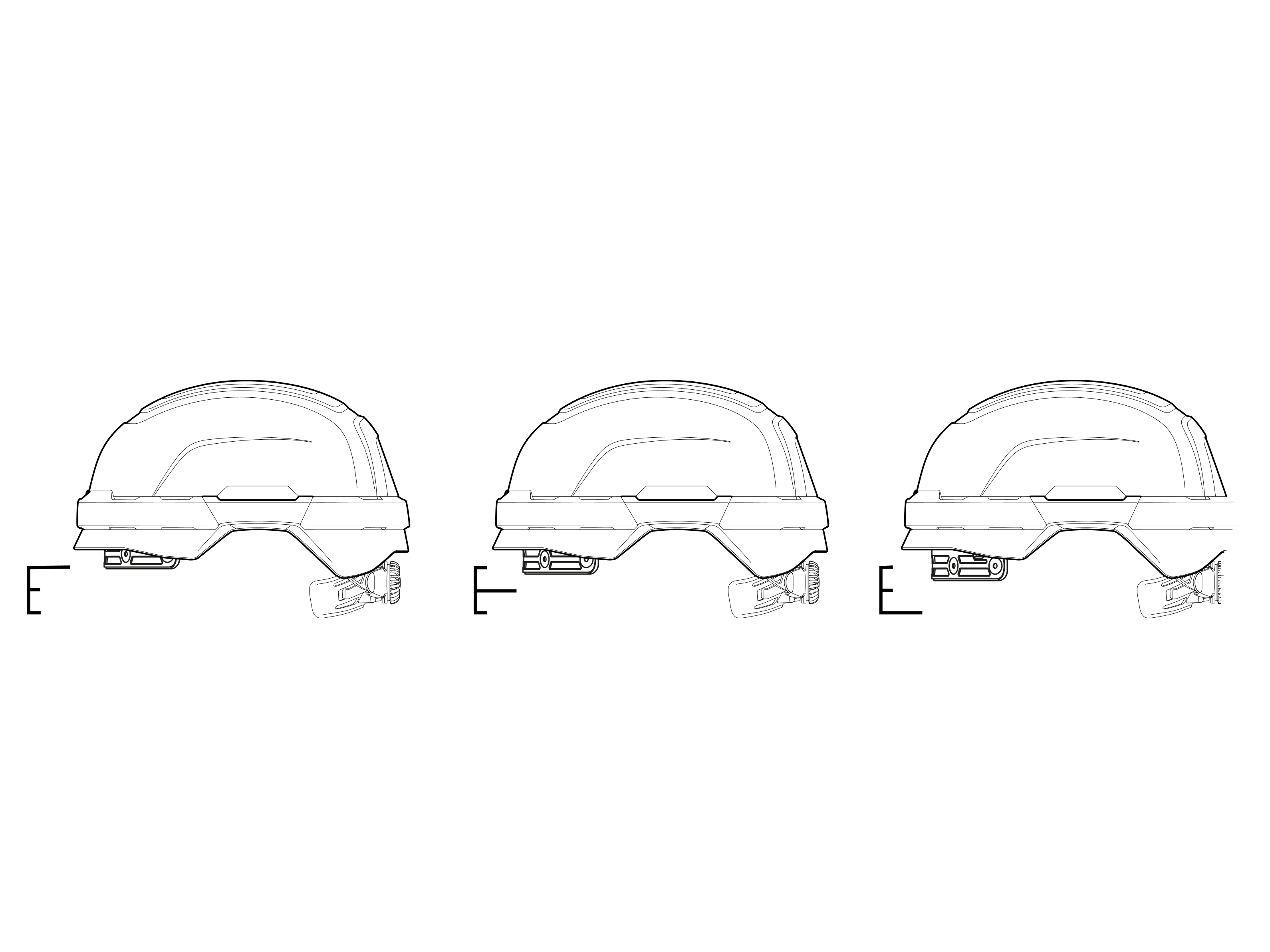
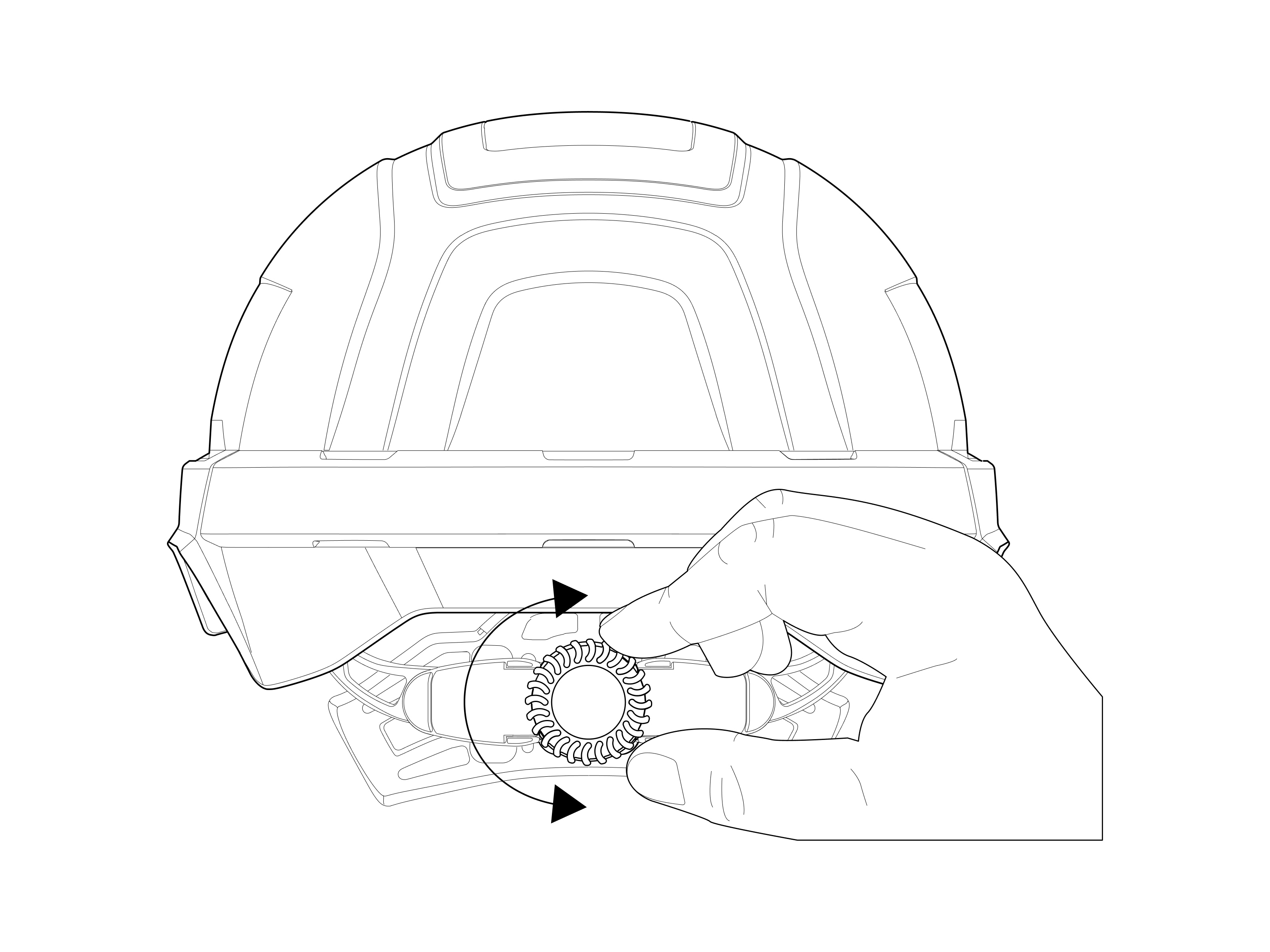
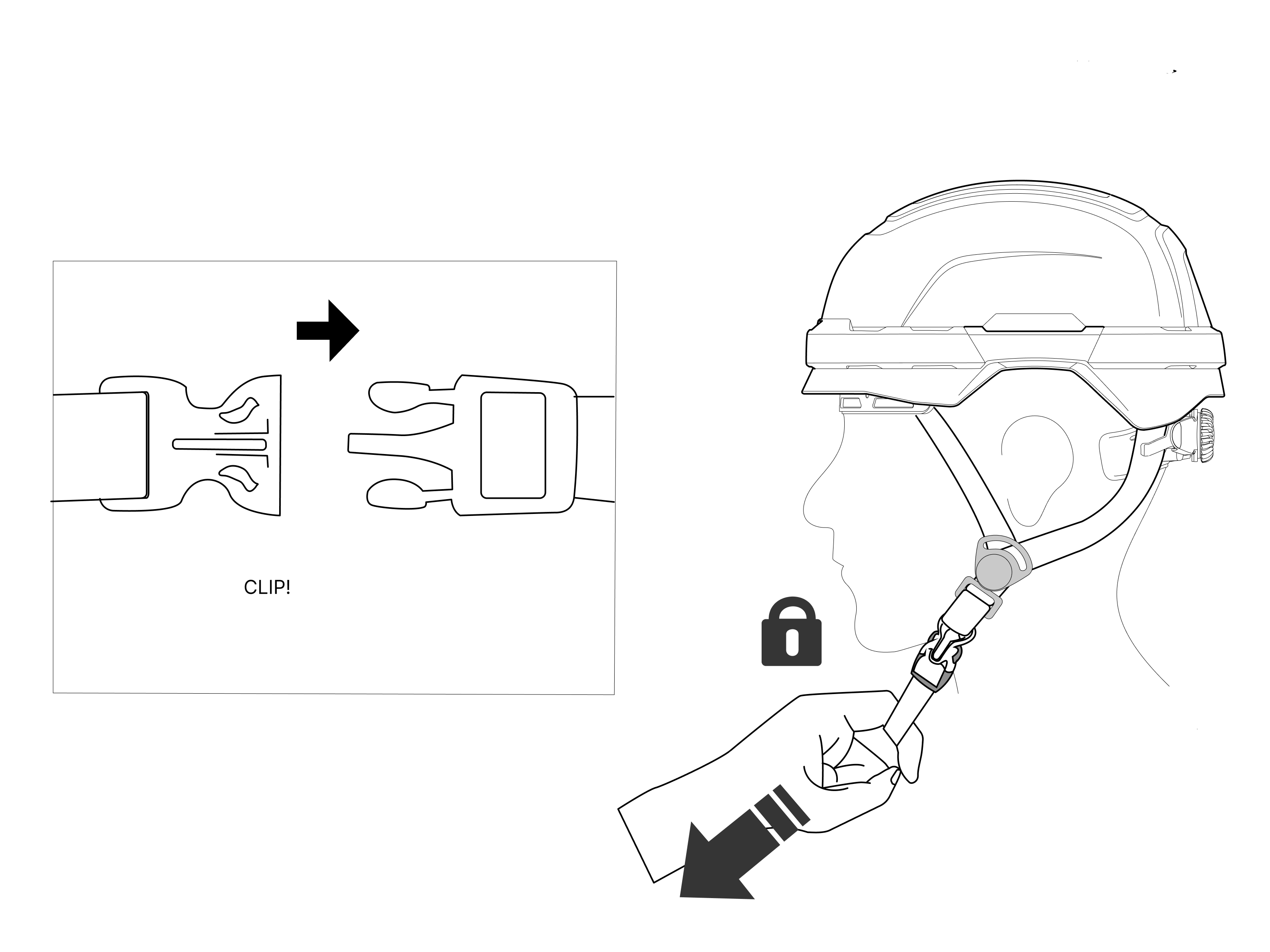
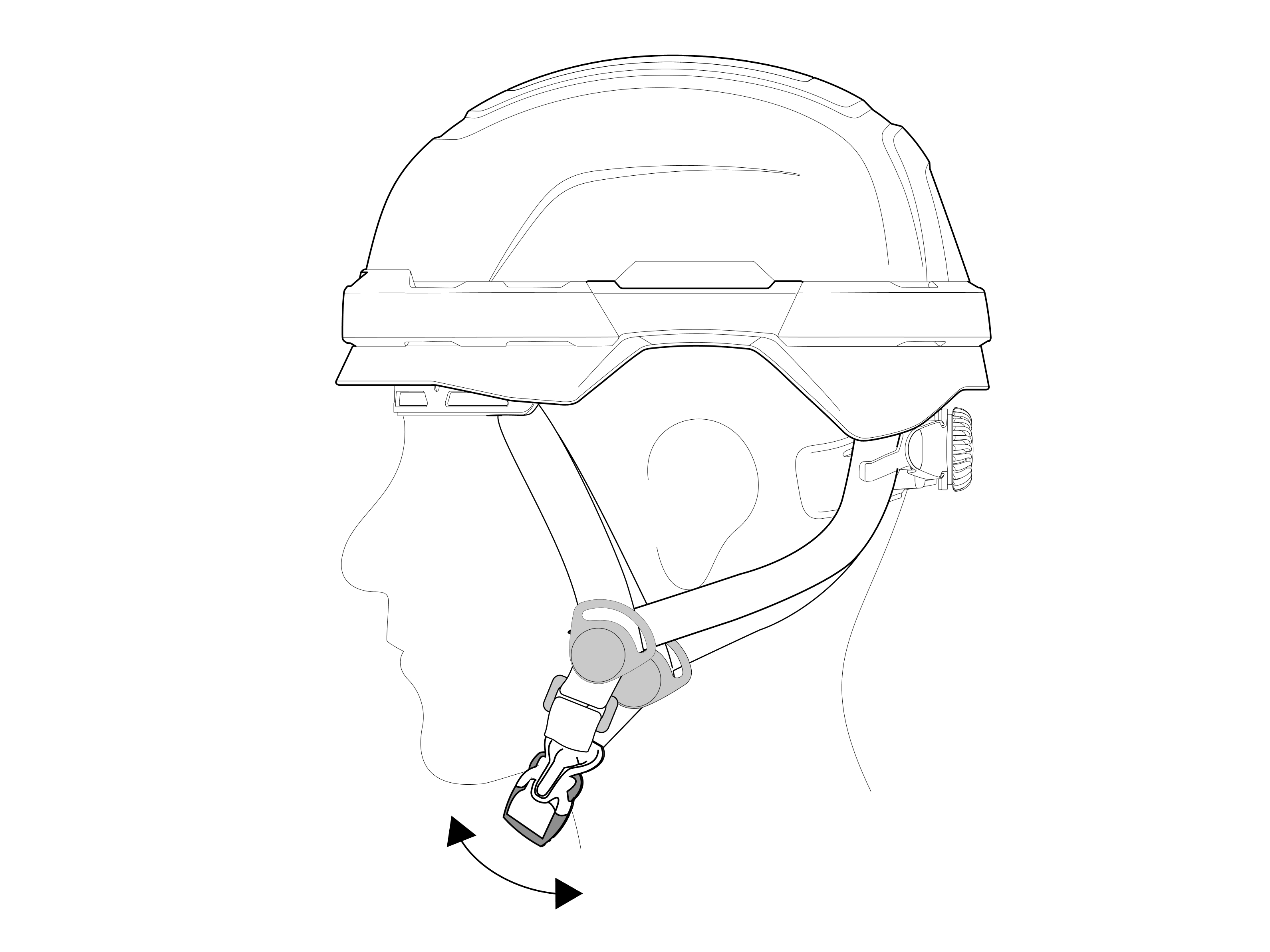
È obbligatorio indossare il casco durante tutto lo svolgimento dell’attività. Per un’adeguata protezione, è importante che il casco sia della propria taglia e ben calzato sulla testa in modo da offrire il massimo comfort e sicurezza. (figura 1) Indossare il casco regolando la fascia frontale e sottonuca tramite gli appositi scatti che ne regolano l’altezza e la calzata. (figura 2) Indossare il casco e adattare la taglia, ruotando la rotella posteriore (in senso orario per stringere la taglia e antiorario per allargarla) fino al raggiungimento di un fitting ottimale. (figura 3) Allacciare il cinturino sottogola inserendo una fibbia nell’altra fino a sentire lo scatto di bloccaggio, lasciandolo allacciato per tutto il tempo di utilizzo. Verificare che la fibbia sia inserita nell’altra assicurandosi di sentire lo scatto di bloccaggio. Verificare la chiusura della fibbia. Regolare la lunghezza del sottogola facendo scorrere le fettucce per fissare saldamente il casco sulla vostra testa. (figura 4). S
(Figure 1)
CORRECT HELMET POSITION
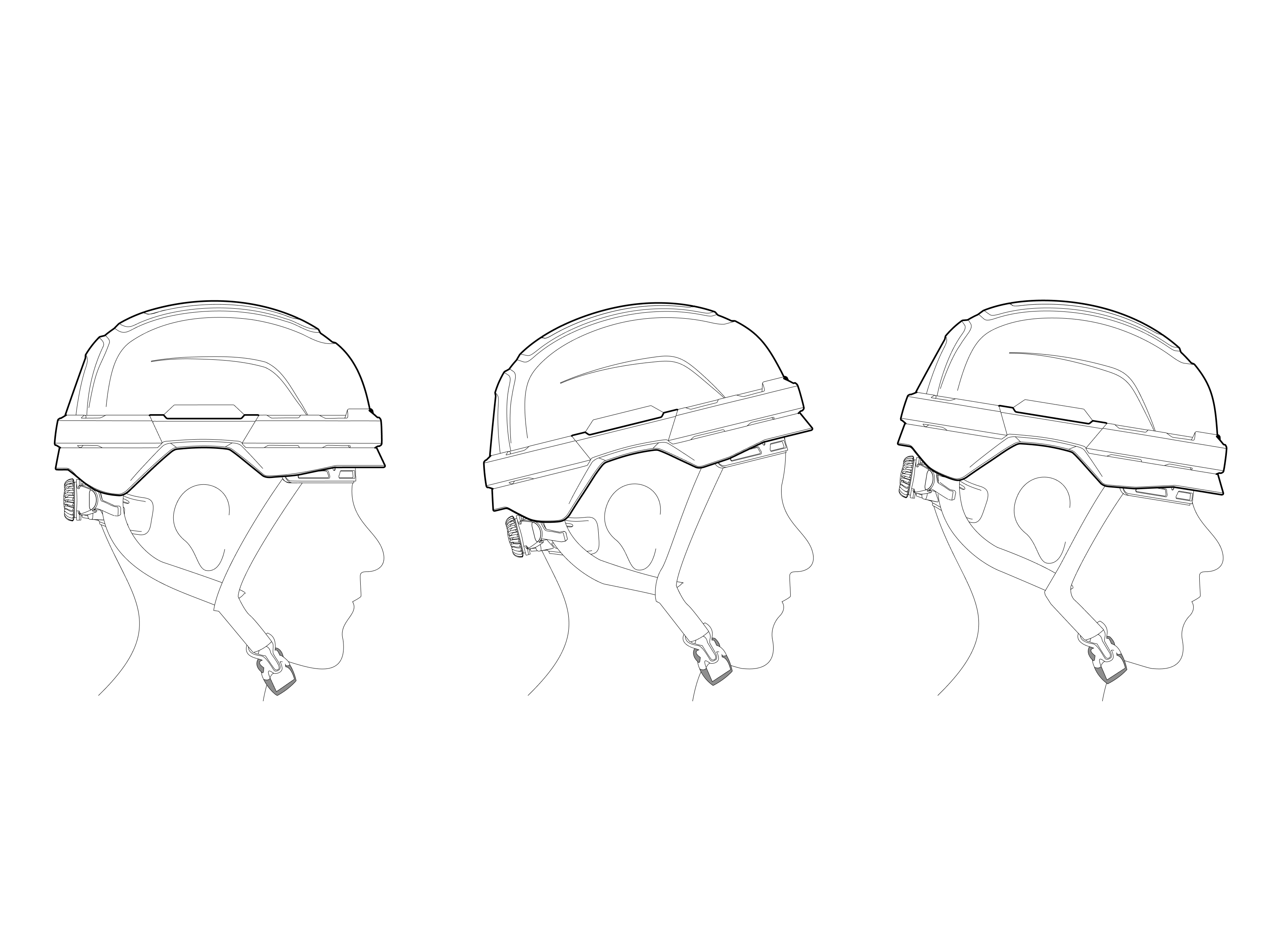
SUBDUED POSITION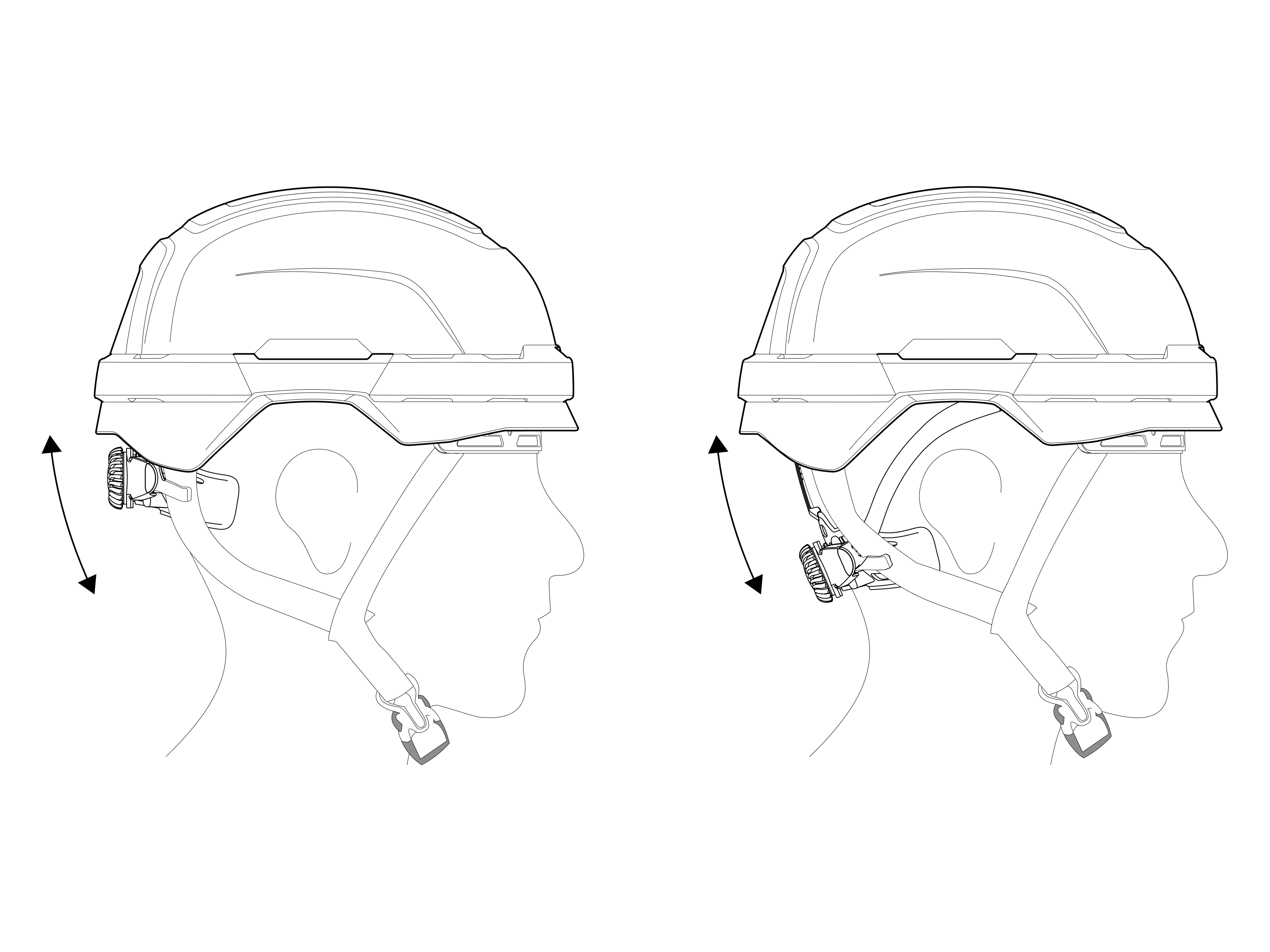
(Figure 2)
BAND ADJUSTMENT
(Figure 3)
SIZE ADJUSTMENT
(Figure 4)
SECURITY LOCK
(Figure 5)
SIDE STRAP ADJUSTMENT
Use only accessories provided exclusively by the helmet manufacturer: visor for eye protection (EN166), rear sunshade for the nape of the neck. There is provision in the multi-purpose bar (items 6-7) for accessories such as badge holder, visor, and noise-canceling headphones.
WARNING: Using accessories that are not certified or approved by UPOWER may cause damage to the PPE and result in invalidating the protective functions of the helmet.
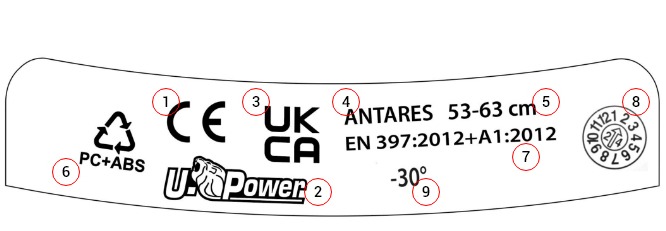
Facsimile imprinted marking:
LABEL DESCRIPTION:
European regulation conformity marking
Company logo
Marking compliance UK legislation
Item name
Size range
Shell material (polycarbonate and ABS)
Reference regulation/standard for which the helmet is certified
Date stamp - Month/year of manufacture
Optional low temperature resistance requirement
Recycling symbol
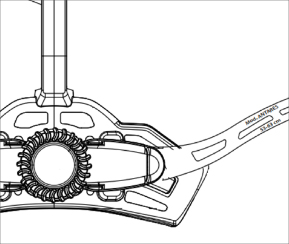
Marking size range.
Adjustment system.
Safety helmet for industrial use - style: Antares
For adequate protection, this helmet should be adapted or adjusted to fit the user's head size. The helmet made to absorb impact energy by destruction or partial damage to the shell and harness, and although such damage may not be immediately visible, any helmet that has suffered a severe impact should be replaced. Users' attention is drawn to the danger of modifying or removing any of the original helmet components. Helmets should not be adapted to attach accessories in any way not recommended by the manufacturer. Do not apply paint, solvents, or self-adhesive labels unless in accordance with the helmet manufacturer's instructions.
For more information: info@u-power.it