quality(100)format(avif))
How to take care of safety shoes
U‑Power's tips for having work shoes that always look their best
format(avif))
The safety shoe is the prime personal protective equipment in terms of importance and plays a key role in worker safety.
The daily use of safety footwear, the environment and the type of work itself, however, can cause it to deteriorate prematurely.
Outdoor environments, extreme working conditions, chemicals, mud or corrosive agents with which one comes into contact, are factors that impact the technical efficiency of safety shoes. Therefore, it is important to take care of them periodically enough to ensure their efficiency.
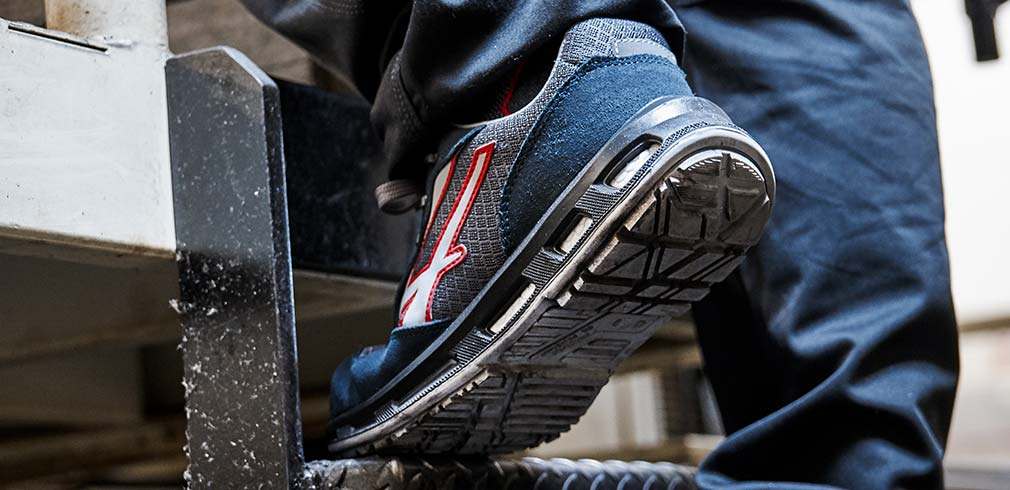
Daily cleaning, simple and affordable, is the best way to greatly extend the life and efficiency of our shoes. But how to clean work shoes?
We receive many requests about shoe maintenance and how to wash safety shoes with questions like:
- Can safety shoes be washed?
- Can I wash safety shoes in the washing machine?
- Is work shoes deodorizer enough to remove the bad smell safety shoes?
Here then, are some small tips to make our work shoes last longer!
Let's see together how to take care of work shoes to ensure durability, foot health and safety.
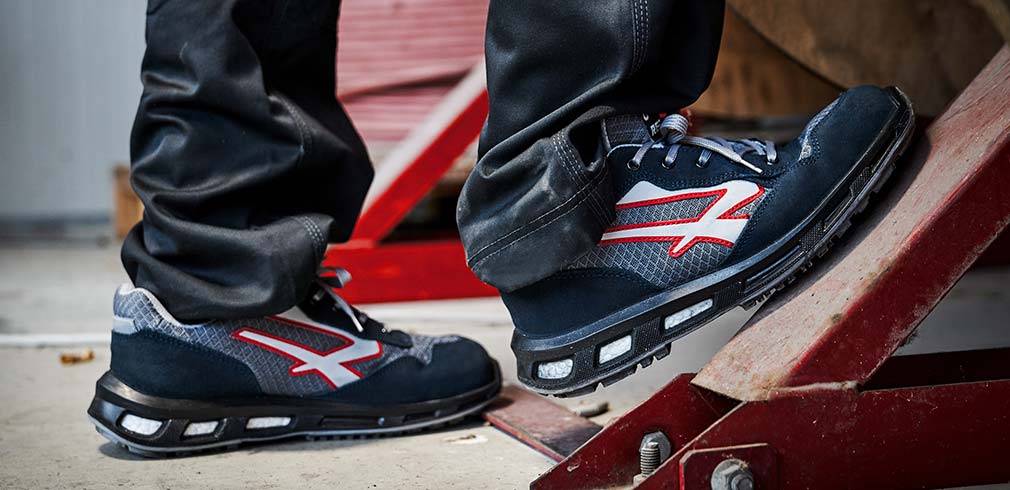
Always use gentleness-especially if the shoes are new, there's no need to put a lot of pressure on them!
Our feet produce heat and moisture, factors that can affect the deterioration (as well as the proliferation of bacteria that cause safety shoes to smell bad. At the end of your working day, change your shoes, take out the footbeds and let them get some aria, let them dry. Just leave them in the open air, there is no need (indeed!) for a heat source.
Always untie laces and hook-and-loop fasteners before slipping your shoes off, and use a shoehorn both at home and at work: it lightens the load on the shoe buttress considerably and prevents premature deformation.
Clean your shoes every day.Remove dust and encrustations from the upper as well as the sole.Remove pebbles that get stuck in the grooves of the sole and can cause progressive erosion.To clean the cracks around the sole, use an old toothbrush.And don't forget to use this time to check them forwear as well (crack formation, disconnection in the area between the tread and the upper, any stitching).
Leather shoes can be cleaned with a damp cloth; suede shoes with a soft brush. Remember to always keep your shoes dry.
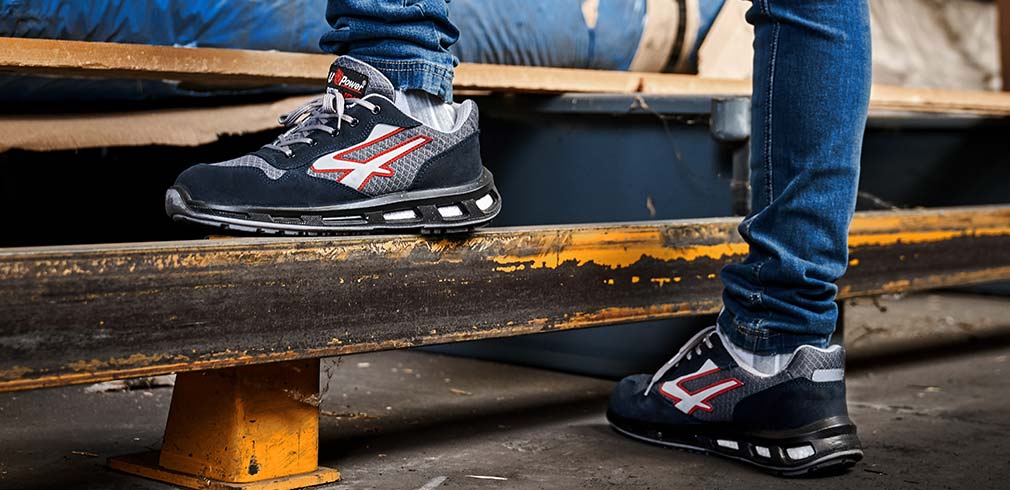
Always keep a spare pair of safety shoes on hand. Especially on hot, humid days, having a second pair on hand allows your shoes to dry out from sweat and reduce problems related to excessive sweating.
Remove the easieststains by using a sponge soaked in warm water. To remove difficult dirt stains, you can use white vinegar in small doses applied with a soft cloth.
Soften the leather with absorbent cotton soaked in cleansing milk and lightly and gently rub the surface. Let dry and brush the upper.
Do not use wet cloths on suede shoes. Use only brushes with rubber bristles that are not too stiff. For difficult stains, use an eraser by rubbing over the affected area, and if the stain really doesn't want to know, use a few drops of vinegar by rubbing gently with a sponge cloth.
If you are dealing with oil stains, then it is best to use absorbent cotton soaked in whole milk.
Avoid using harsh detergents to remove dirt or stains.
If you use work shoes in harsh or wet environments, use a shoe/leather grease-they will keep flexible and waterproof for a long time. Grease them regularly, especially in the winter months when shoes are exposed to snow and mud.
Don't let shoes dry near heat sources or under the sun's rays in order to prevent halos from forming, but also to prevent them from drying out and cracking.
Do not machine wash safety shoes unless this is clearly specified as a possibility.
Use your shoes on a regular basis. Products made with PU have the characteristic of being lightweight, durable, shock-absorbing and very comfortable, but this material ages over time and the degeneration process accelerates when not in use.
Proper care of safety shoes is not only a matter of aesthetics and hygiene but, much more trivially, a matter of safety and effectiveness of the Standard of Protection.
We explain this with a few examples:
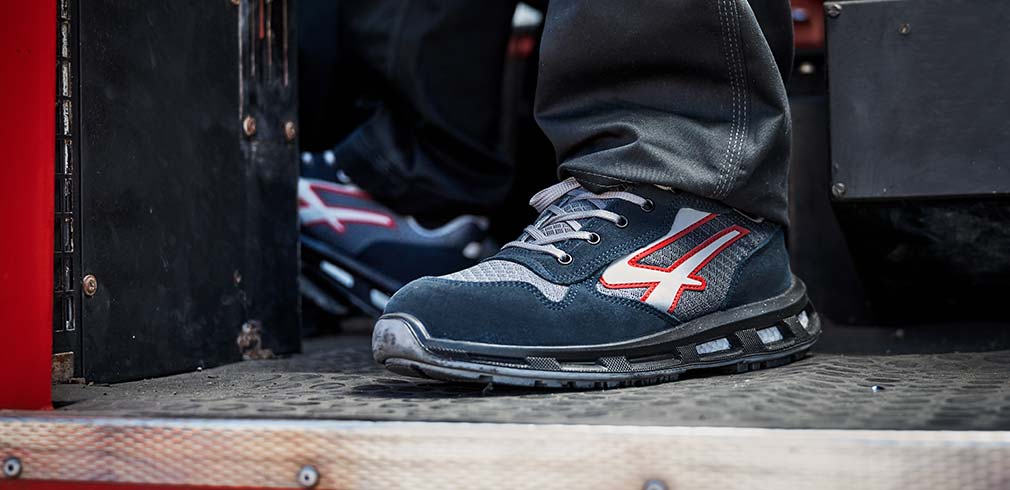
An anti-slip sole, to be functional, must provide excellent grip. The presence of any debris and dirt under the sole or between the grooves of the sole could reduce its grip and effectiveness.
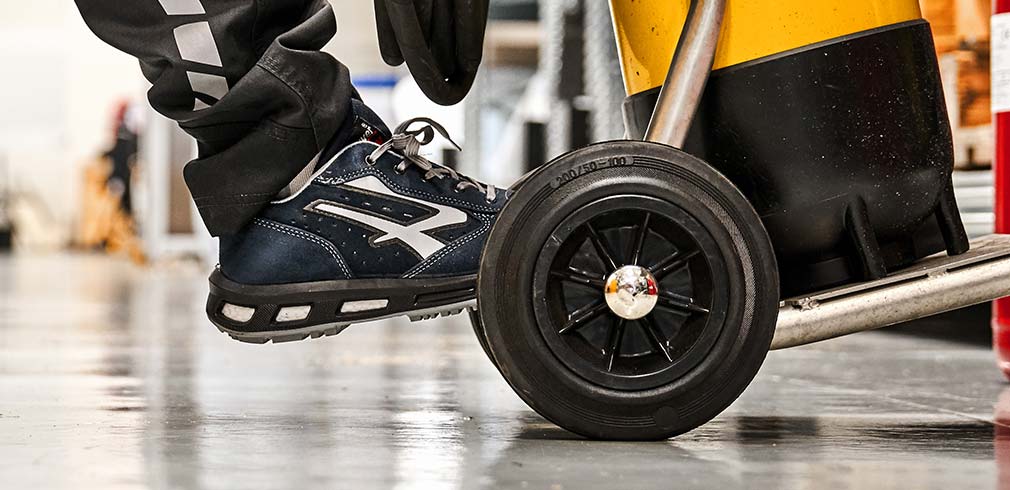
During night work or in low light conditions, the presence of reflective elements on the shoe, of inserts designed to increase visibility, is essential. If these are dirty or covered, they cannot fulfill their purpose and this could put the worker at risk.
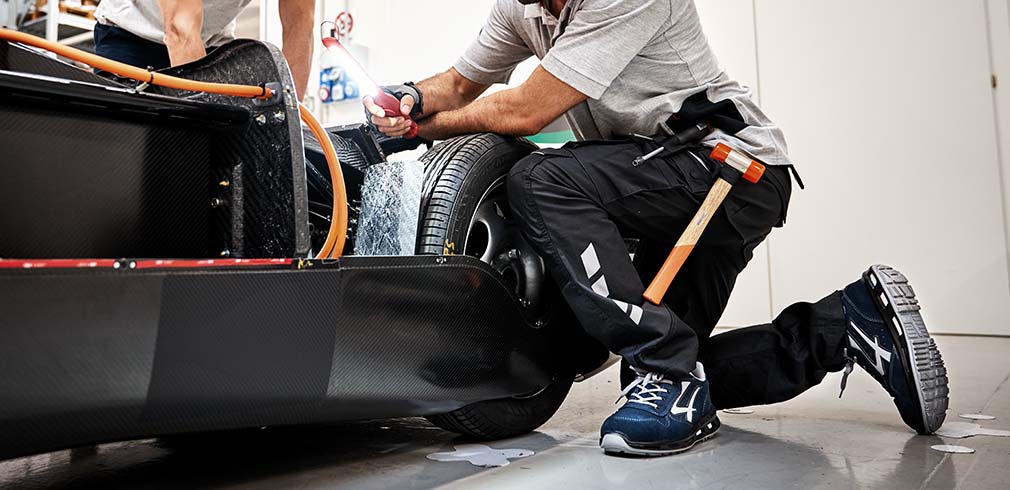
During work, shoes can come into contact with substances that can corrode materials and wear them out, speeding up wear and tear. Removing dirt can extend the life of the shoe.
Your safety shoes are your safety and protection at work. Choose the right ones and match them carefully!
Details make perfection and perfection is not a detail!
Visit our Blog and check out our Academycolumn to stay up-to-date with the latest news.
U-POWER, Technology and Quality at the Service of the Worker.
format(avif)) NewsSeptember 08, 2026
NewsSeptember 08, 2026Stronger together: U-Power acquires KÜBLER, combining their expertise for further growth in Europe
format(avif)) NewsSeptember 07, 2026
NewsSeptember 07, 2026Eugenio Cecchin is the new CEO of U-Power. Franco Uzzeni remains Chairman of the Group
format(avif))
 NewsMarch 11, 2026
NewsMarch 11, 2026U-Power presents Red Stratos with Ronaldinho: when safety becomes… Stratospheric
format(avif)) NewsJanuary 14, 2026
NewsJanuary 14, 2026U‑POWER GROUP SPA confirms the EcoVadis Gold Medal 2025 and ranks among the top 5% worldwide for ESG performance
format(avif)) NewsDecember 12, 2025
NewsDecember 12, 2025Franco Uzzeni presents the "Best Performance of the Year" award to Lautaro Martínez at the Gazzetta Sports Awards 2025
quality(80)format(avif))
quality(80)format(avif))
quality(80)format(avif))