quality(100)format(avif))
Characteristics, differences and regulations/standards of S1, S2, S3 safety shoes
Learn about the differences between work shoes styles and current regulations/standards
format(avif))
In the world of work, safety is a top priority. Whether you are an engineer, construction worker, or industrial professional, wearing the right equipment can mean the difference between a productive day and an accident on the job. Safety footwear is a critical element, but with the wide range of styles available on the market, choosing the right pair can seem like a feat.
In this article, we'll walk you through the distinctive features and regulations that define the various styles of safety shoes. From the importance of the steel toe cap to the latest innovations in materials and design, you'll discover how to select the right shoes for your professional needs while ensuring compliance, comfort and, most importantly, safety.
WHY CHOOSE FOOTWEAR THAT IS SUITABLE AND COMPLIANT WITH CURRENT REGULATIONS/STANDARDS FOR YOUR WORK?
CLASSIFICATION, DIFFERENCES, PROTECTION AND REGULATIONS/STANDARDS OF SAFETY SHOES
UNDERSTANDING SAFETY SHOES REGULATIONS/STANDARDS: THE MAIN DIFFERENCES BETWEEN S1,S2,S3
STANDARDS GUIDE: FIND OUT ALL THE DETAILS ABOUT WORK SHOES REGULATIONS/STANDARDS
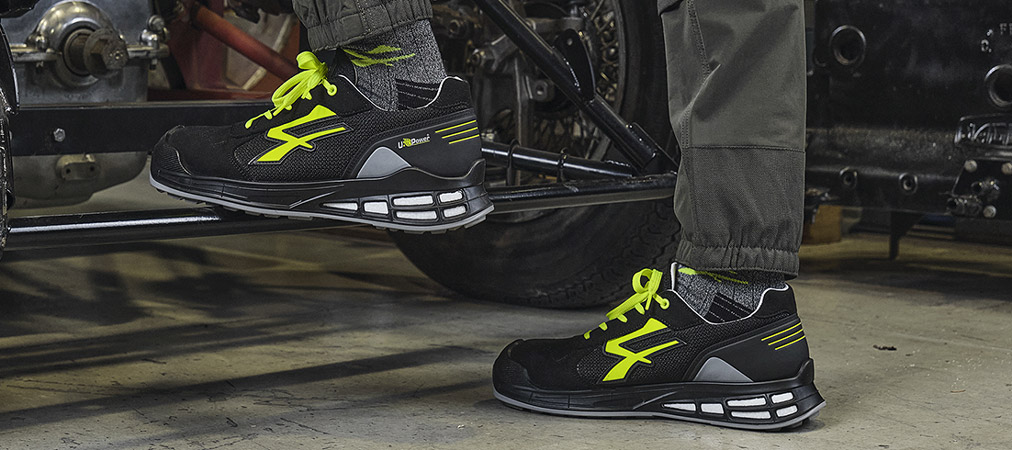
Choosing appropriate and safe footwear for one's work is not just a matter of comfort, but a vital necessity to ensure personal safety in potentially dangerous work environments. Many of work injuries involve foot injuries, underscoring the importance of selecting safety shoes that offer adequate protection. Wearing the right type of shoes can also prevent leg and back fatigue, improving productivity and overall well-being in the workplace. As safety regulations/standards evolve andinnovative technologies in materials and shoe design areintroduced, it is critical to choose products that meet specific occupational needs while offering comfort and style.
Opting for appropriate safety footwear is an investment in one's health and professional future, an essential step toward creating a safe and secure work environment.
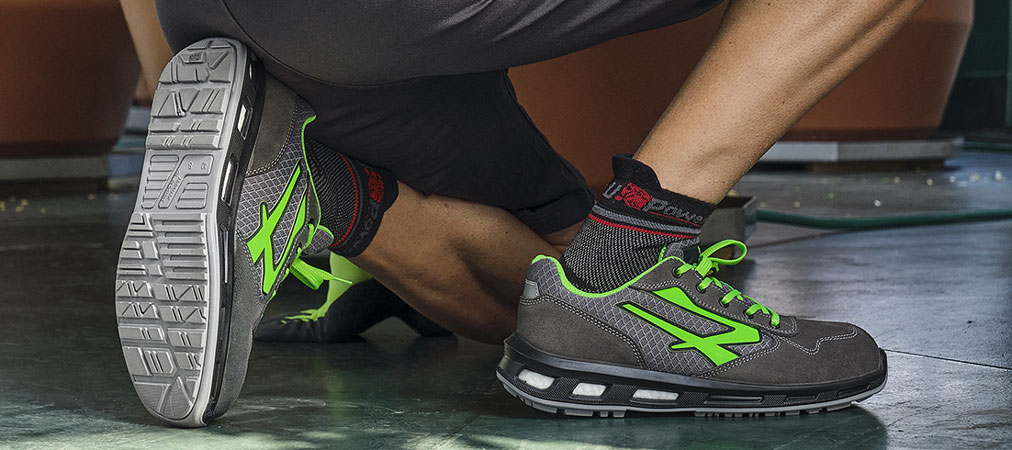
The classification and differences between safety shoes are essential to understanding the level of protection they offer in various work environments.
All U-Power shoes are designed to meet specific safety needs, following strict international regulations/standards, such as EN ISO 20345, which defines the basic requirements for shoes designed to provide foot protection. Depending on the specific risk in the workplace, safety shoes are classified into different categories: S1, S1P, S2 and S3 are the most common, and each offers a different level of protection.
In addition to the classification, the differences between these shoes also lie in the materials used, such as water-resistant and breathable GORE-TEX®, and in the technologies used for the sole, which can vary from slip-resistant to anti-puncture. The protection offered by these shoes covers not only mechanical injuries, but also electrical, chemical, and thermal hazards. The latter, which are often underestimated, are instead of substantial importance, because only when the footwear is suitable, it manages to keep the foot in perfect comfort, improving the quality of work performance.
This attention to detail ensures that workers wear the right footwear to meet daily challenges, significantly reducing the risk of injury.
And if for everyday you want not only safety but also style, U-Power has thoughtfully designed slip-on sneakers with the new URBAN range/assortment: 17 unisex, comfortable and versatile styles designed to ensure maximum comfort and metropolitan aesthetics.
These total Urban-style shoes, in both more classic low and high versions, trace the iconic design of classic sneakers and all feature the innovativeInfinergy® technology that provides more than 55 percent more energy with every step, for an anti-fatigue effect that, compared to a traditional sole, lightens every movement.
These sneakers are also certified anti-slip OB SR, thegrip on the ground is always perfect, allowing you to move in total safety (Regulation/standard EN 20347:2022).
Check out U-Power's new Urban range/assortment!
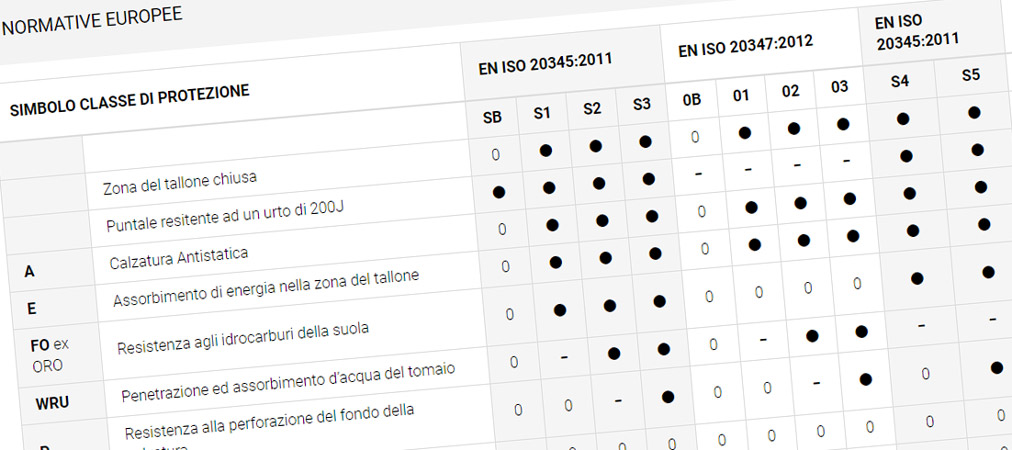
Regulations/standards for safety shoes vary significantly depending on the territory in which you are located and the sector in which they are applied, outlining specific standards to ensure maximum protection in different work environments.
In Europe, for example, EN ISO 20345 is the main reference for classifying safety footwear, establishing minimum requirements for protection.
This regulation/standard distinguishes safety shoes into different categories S1, S1P, S2, S3, etc., each of which is designed to address specific work hazards, such as impact, penetration, electrical contact, and more. Beyond EN ISO 20345, there are also specific standards for particular sectors, such as construction or chemicals, which may require additional protective specifications.
In Italy, regulations/standards for safety shoes follow European standards, specifically EN ISO 20345. Italian regulations/standards require that all safety shoes must be CE certified, demonstrating that they meet European safety requirements and are suitable for use in specific work environments.
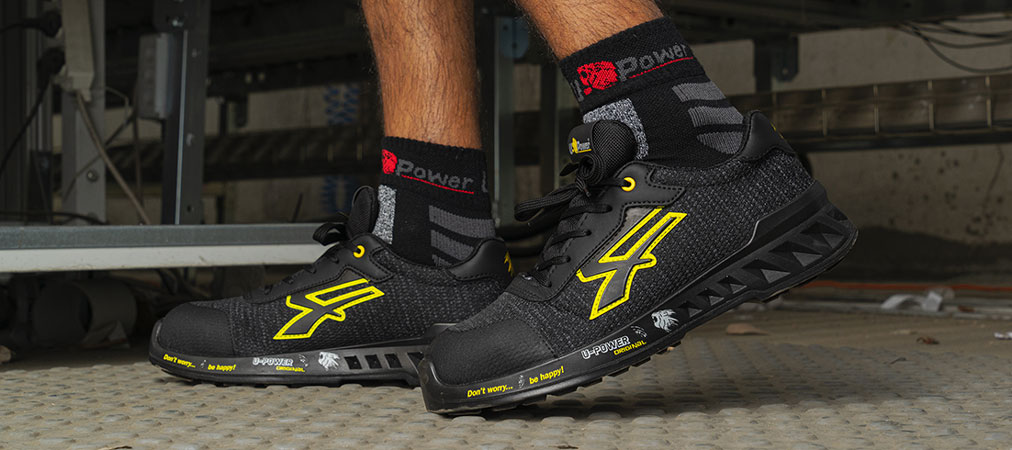
The differences between work shoes styles S1, S2, S1P and S3 are based on the levels of protection offered and specific features designed for distinct work environments:
- S1 safety shoes are designed for indoor work areas or dry conditions, offer impact protection with a very durable toe cap, are antistatic, and have energy absorption in the heel area.
- Work shoes S2 offer all the benefits of S1 with the addition of water resistance, making them suitable for wet environments or outdoor work with moderate exposure to water.
- S1P safety shoes combine the features of S1 with additional protection against sole puncture, ideal for workplaces where there are risks of sharp objects on the floor.
- Finally, S3 footwear includes all the protections of S1P with additional features such as water resistance and an outer sole that is resistant to oils and a variety of chemicals. This makes them suitable for a wide range of work environments, including outdoor environments with harsh conditions.
The choice among these styles therefore depends on the specific hazards present in the workplace and the individual needs for protection, comfort, and durability.
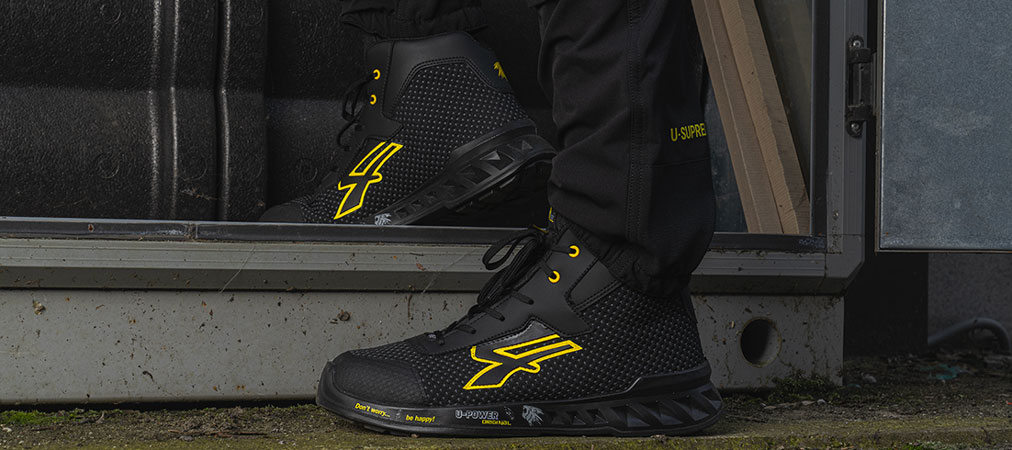
In conclusion, when choosing work shoes always make sure you are aware of the current regulations/standards specific to your work, know the differences between the various styles of safety shoes, and that they bear the CE conformity marking.
To delve more specifically into current regulations/standards, our comprehensive guide to standards offers a detailed overview of everything you need to know about work shoes regulation and classification, from basic to more sector-specific requirements.
Visit our dedicated page to learn more about the subject and ensure that every choice in terms of work shoes is as suitable and safe as possible.
format(avif)) NewsSeptember 08, 2026
NewsSeptember 08, 2026Stronger together: U-Power acquires KÜBLER, combining their expertise for further growth in Europe
format(avif)) NewsSeptember 07, 2026
NewsSeptember 07, 2026Eugenio Cecchin is the new CEO of U-Power. Franco Uzzeni remains Chairman of the Group
format(avif))
 NewsMarch 11, 2026
NewsMarch 11, 2026U-Power presents Red Stratos with Ronaldinho: when safety becomes… Stratospheric
format(avif)) NewsJanuary 14, 2026
NewsJanuary 14, 2026U‑POWER GROUP SPA confirms the EcoVadis Gold Medal 2025 and ranks among the top 5% worldwide for ESG performance
format(avif)) NewsDecember 12, 2025
NewsDecember 12, 2025Franco Uzzeni presents the "Best Performance of the Year" award to Lautaro Martínez at the Gazzetta Sports Awards 2025
quality(80)format(avif))
quality(80)format(avif))
quality(80)format(avif))